It’s a Zombie Non-pocalypse

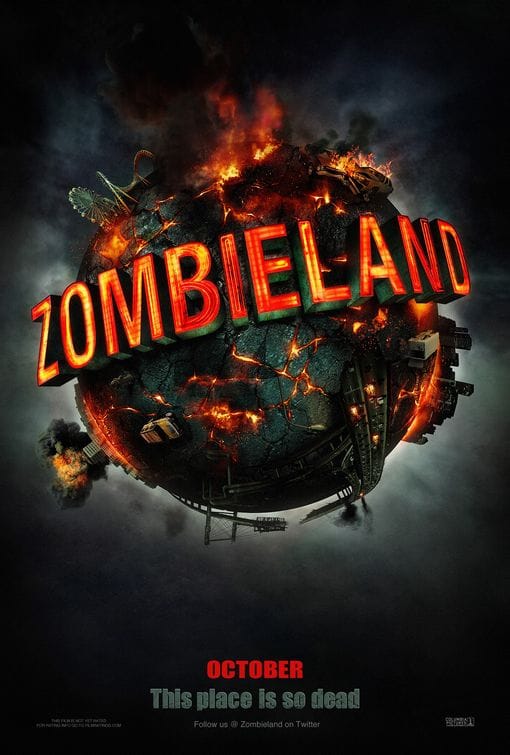
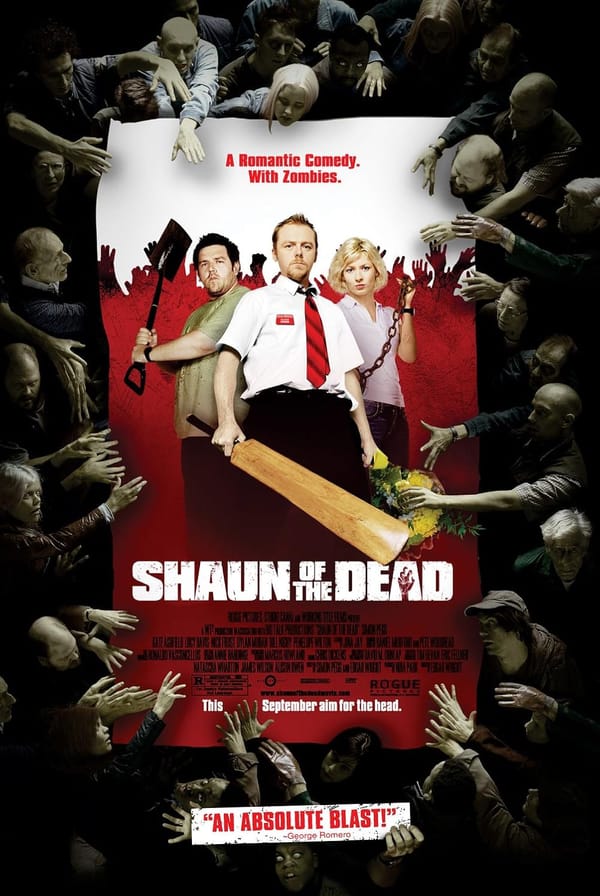
Four months later and I’m finally wrapping up my thoughts on zombies. To recap, I hate zombies because they are gross and scary. But I love horror movies and outbreak scenarios. So, I decided to do some exposure therapy by watching zombie movies for Halloween. If you haven’t already, check out my previous posts examining zombie biology as depicted on film. After six movies and one television show – shoutout to Cockneys vs Zombies (hilarious) and Marvel Zombies, neither of which I wrote about – I still think zombies are gross but practically speaking, have no scare factor.
To paint with a broad brush, zombies fall into two categories: people who have died and been reanimated with an insatiable craving for human flesh (Undead Zombies) and living people who have been infected with a fictional pathogen that causes them to take on the characteristics of undead zombies (Living Infected). My key takeaways from thinking about both are:
1. Undead Zombies reanimating and overrunning the living is a complete impossibility. Humanity will never be driven to the brink of extinction by the dead returning to life. But people becoming infected with a disease that manifests in aggression and cannibalism? Never say never.
2. Undead Zombies are sloooooow. There are several factors that limit their mobility and coming back to life doesn’t exactly promote cardio and strength training. Mobility of Living Infected will largely be determined by the person’s health at the time of infection and any wounds they sustain, so their speed will be variable. This, of course, assumes the pathogen itself has no effect on the neural pathways that determine motion either positively or negatively.
3. We can wait Undead Zombies out and they will literally fall apart. Given enough time, they will decompose and this will further affect their ability to hunt and attack the living. No such luck with the Living Infected, though it’s not so hard to imagine that a neurodegenerative disease would also cause their physical condition to deteriorate and eventually result in death (I’m thinking through system-wide organ failure).
Through this lens, zombies of either variety suddenly become much less intimidating. And yet, none of this evidence is as compelling to me as a critical factor of outbreak spread: mode of transmission. Canonically, zombie-ism is spread through biting which just isn’t that efficient. For starters, it requires the victim to be up close and personal with the zombie, compared to aerosol transmission that can occur in the absence of close proximity between people. A 2023 article about the SARS-CoV-2 virus found that in an indoor environment, a susceptible person could inhale an infectious dose of the virus within 6-37 minutes of an infected person entering the room. I think The Last of Us did a great job circumventing the limitations of spread through direct contact in a single, localized area by having the initial outbreak occur across the globe through worldwide distribution of contaminated flour. Undead Zombies are also more effective in this regard than Living Infected if every corpse suddenly starts rising from every grave everywhere.
It's also extremely obvious when a person has been bitten because there’s physical evidence of the bite. It’s here that I must acknowledge a near universal feature of the zombie subgenre: the idiot who gets bitten and then hides it from the group, only to later turn and attack their companions. However, even this is not an overt problem in the context of a zombie outbreak because the symptoms of zombie-ism are readily apparent, enabling the survivors to take swift action. How and when symptoms present is critical for disease tracing and containment. Perhaps the clearest example of this is the dichotomy is between the 2003 SARS outbreak and the 2020 SARS-CoV-2 pandemic. SARS symptoms include fever, headache, respiratory symptoms, and body aches with an incubation period of 2-7 days, whereas symptoms of SARS-CoV-2 can range from asymptomatic infection to severe disease and has an incubation period of up to two weeks. A long incubation period in which a person may not even know they’re sick makes SARS-CoV-2 much more difficult to identify and contain than SARS in which individuals reliably present with symptoms in a shorter period of time. If zombies starting popping up in a city or town, it should be relatively easy to idenfity and contain them before the disease becomes widespread.
Finally, humans are not what I would call “exceptional biters” when compared to other predators. Humans have evolved to have shorter jaws with smaller teeth, including shrinking the incisors and blunting the canines, and weaker muscles. These changes are theorized to facilitate speech and be a response to Homo sapiens changing diet. All this to say, we can’t crush skulls or rip apart ligaments with just our teeth the way other apex predators can. So as a survivor during the zombie apocalypse, I’d feel pretty safe going out in leather or denim.*
In reality, the zombie apocalypse would be boring and not very apocalyptic. I should rest easy that my death will not be brought about by a corpse lusting for my brain. And yet, something about them still disturbs me. Maybe it’s because I thrive on routine and creature comforts which the downfall of society would surely disrupt. Or maybe it’s because having a horde of rotting dead people, maybe even friends and family, try to eat me sounds psychologically damaging. Either way, if I were running for president I would have a strict no tolerance policy for zombies part of my platform. Apologies to Cleveland, but if I hear there might be a zombie outbreak brewing, you’re getting nuked.
So that’s it for zombies…for now. I imagine I’ll return to them next Halloween, but for now I’m working on other things that I can’t wait to share with you.
*I also googled if the urban legend I heard as a kid was true, and it turns out that you cannot bite off a human finger with the same bite force as a baby carrot. Apparently maiming a person is much harder.