Why are bats so adorable yet so diseased?

I couldn’t stop at just one Contagion article; the well-researched plot is simply irresistible. So, when I was outlining my publishing schedule for 2026, I decided I would write two Contagion articles. And what better way to do that than by writing about my personal interests: vaccine science and bats.
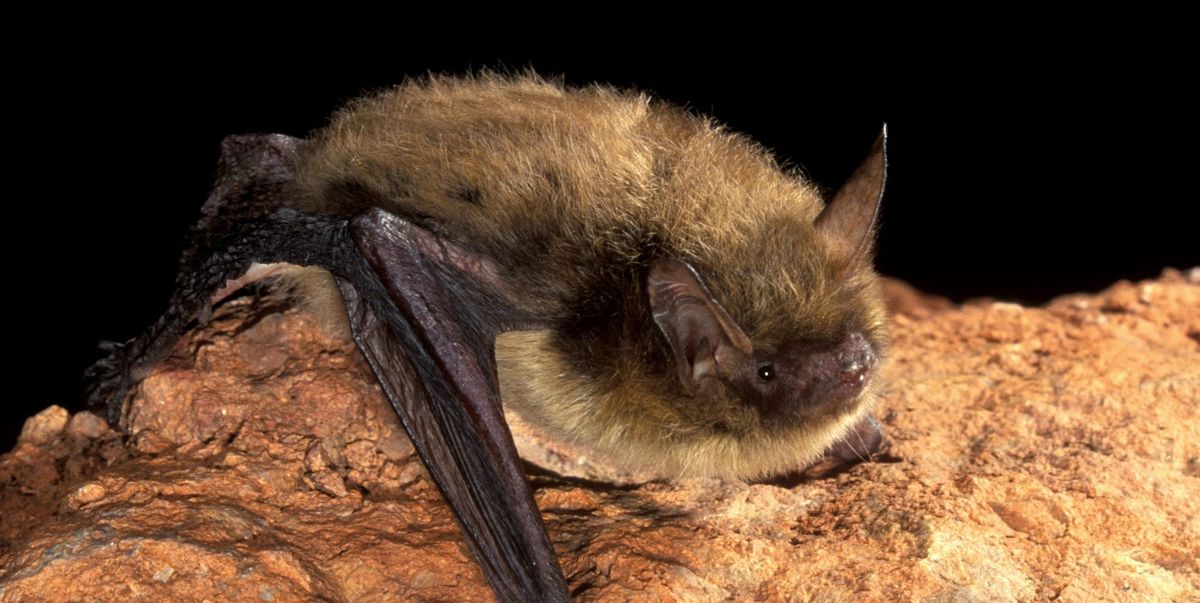
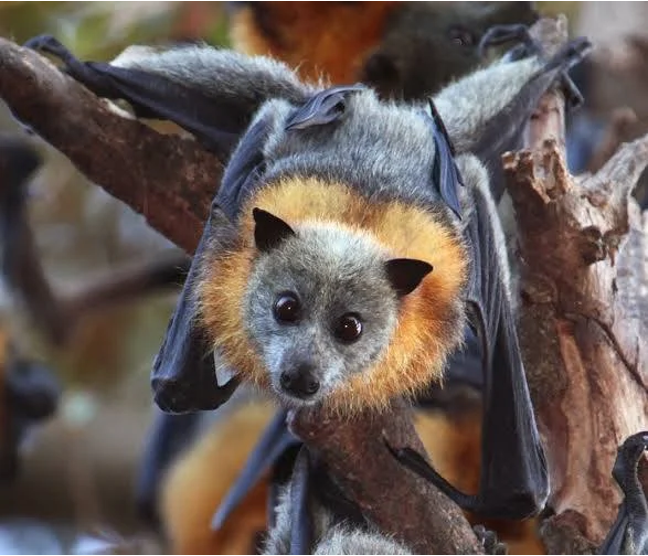
I love bats. I really love bats. My Instagram feed is filled with bats eating bananas, bats swaddled in blankets, bats with big ears and tiny faces, and they’re all unbearably adorable. I was lucky enough to get within five feet of some flying foxes, a variety of fruit bats, at the Singapore Zoo and while very fuzzy with big brown eyes, I will admit that those guys are uncomfortably large. But the little ones, like North American little brown bats? My eyes turn into hearts just thinking about them. In addition to being cute, bats also play a critical role in the ecosystem. According to the U.S. National Parks Service, bats act as pollinators, help control insects, disperse seeds, act as prey for raptors and carnivorous mammals, and their guano even helps support cave ecosystems. Suffice it say, I’m a staunch defender of bats.
So why are these winged environmentalists so unfairly maligned? Think of bats and you’ll likely think of Halloween. Bats are an iconic and classical decoration choice for the spookiest of seasons. According to Bat Conservation International, the association between bats and Halloween dates back to 2,000 years before the Roman Empire when the Celts inhabited the British Isles. As you may imagine, records from that far back in history are sketchy, but it’s theorized that bonfires lit during the Celtic celebration of Samhain would attract insects and in turn, bats. Then, there’s the obvious vampire connection. Variations of vampire folklore exist across cultures and are of course known for their blood-drinking tendencies. Vampire bats were given that moniker by European conquistadors in South America after observing them drinking blood. This probably conjures up an image of these creatures sucking blood from their hosts as if through a straw, but they actually lap the blood after creating a small incision and only need ~2 tablespoons per day to survive. They largely feed from livestock and are highly social, sharing blood with each other. All in all, their name is much more alarming than their behavior. Enter Bram Stoker with his popularization of vampires from Slavic folklore, and the rest is Dracula.
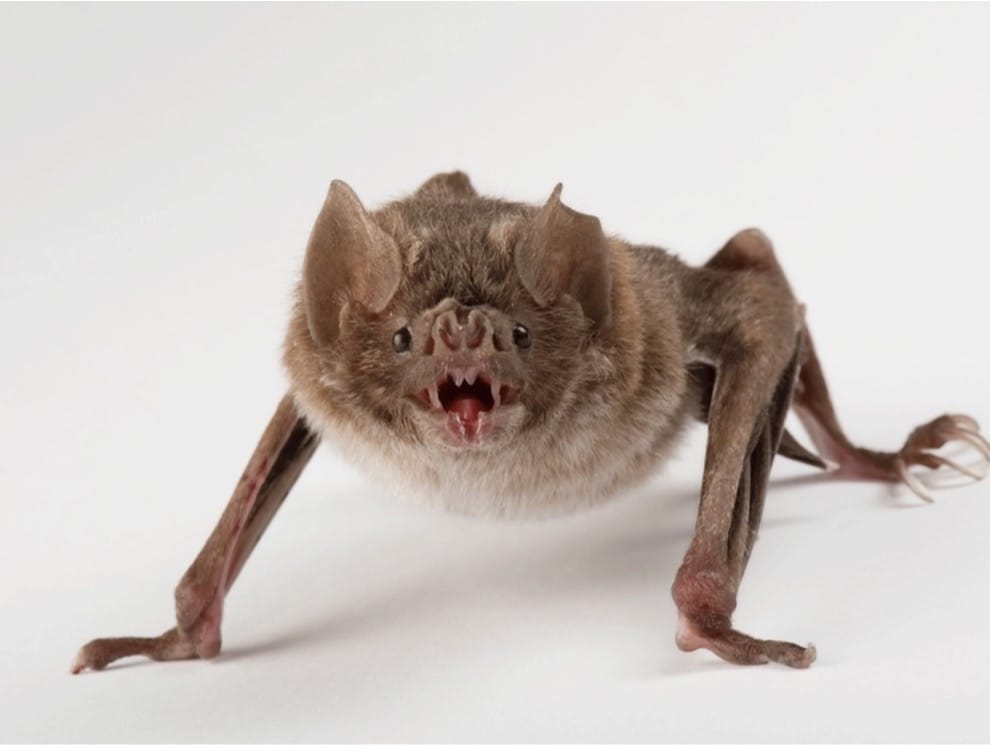
While I may feel that these depictions are unjustified, I cannot deny that bats are famous carriers of disease. There’s a reason people are given rabies vaccines after direct contact with them and that bats are sampled for infectious disease surveillance. Contagion uses this fact to great effect. The origin of Meningo Encephalitis Virus 1 (MEV-1) isn’t revealed until the end of the movie, but we’re given clues early on when the first time it’s successfully grown is in a modified bat cell line and in dialogue between the CDC scientists as they review MEV-1’s genetic sequence and reveal that it contains elements of bat and pig sequences. Bats as the origin of the virus is later confirmed in a montage at the end of the movie when we see a colony (apparently a cauldron is also an acceptable term for a group of bats??) of fruit bats disturbed by the development company Gwyneth Paltrow’s character works for. The bats fly over a pig pen and drop a piece of banana. One of the pigs eats the banana before going to slaughter. The montage then shows a chef preparing the pig and coming out of the kitchen to meet Gwyneth Paltrow and take a photo. While Gwyneth Paltrow’s character is implied to be patient zero throughout the movie, it’s likely that the chef was the true first human case of the disease.
If I were trying to identify and grow a novel virus of unknown origin, bat cells would be one of the first growth environments I’d try. But why is assuming bats are a potential source of new and known viruses one of our first instincts in the research community? Turns out, it’s a side effect of evolving the ability to fly. Bats represent the second largest group of mammals, clocking in at 20% of all mammalian species. This huge amount of biodiversity is complemented by pathogen diversity. Bats are ~50 million years old and during that expansive time on Earth, pathogens have been evolving right alongside them. Flight itself provides new opportunities to pick up and spread new pathogens as flying allows bats to cover much larger areas than other, land-bound mammals. Think about how much faster diseases spread amongst humans now that we routinely travel on airplanes. Their long evolutionary history and routine exposures have given bats’ immune systems a leg up when selecting for genes that provide disease protection, allowing them to coexist and carry these pathogens without succumbing to disease. Of course, they’re not immune to all diseases. A prime example of this is white nose syndrome which is caused by a fungus that targets hibernating bats. White nose syndrome is a major ecological concern as it’s killed almost 7 million bats in North America alone, including 90-100% of bats in some locations. Much like the bats in Contagion, human intrusion in their environment has facilitated white nose syndrome spread. If you’re going to do a cave tour, it’s important to follow decontamination protocols before entering to help prevent spores trapped on shoes or clothes from spreading. While the fungus that causes white nose syndrome doesn’t infect humans, bats do carry other devastating human diseases including Ebola virus, Nipah virus, and SARS-CoV-2. So for now, I’ll continue to admire bats from the safety of my phone screen.